Lea Wiljer
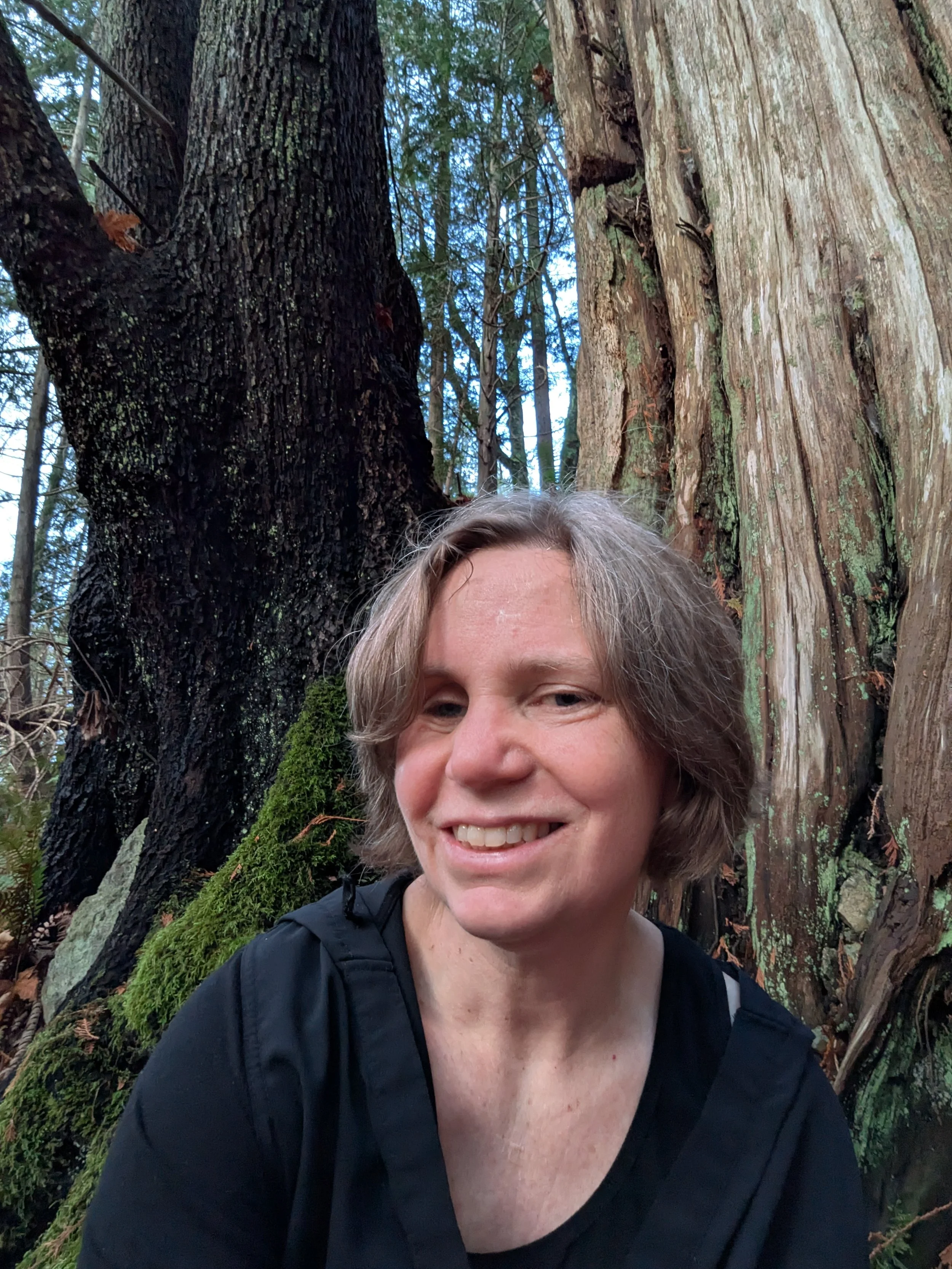
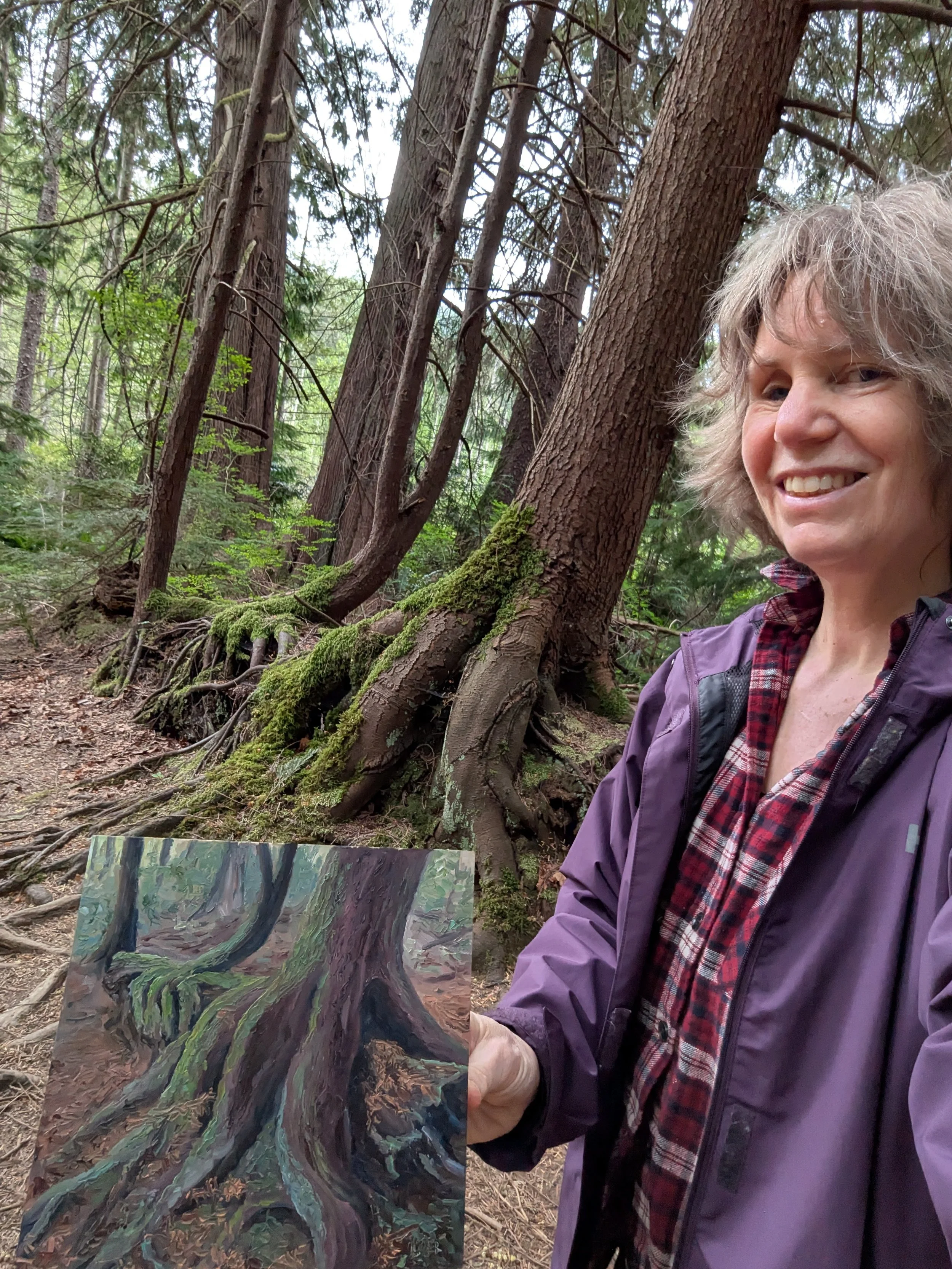
Lea returned to painting in 2025, inspired by the magical forests of Bowen Island, B.C. She works both on Bowen Island and in Toronto,
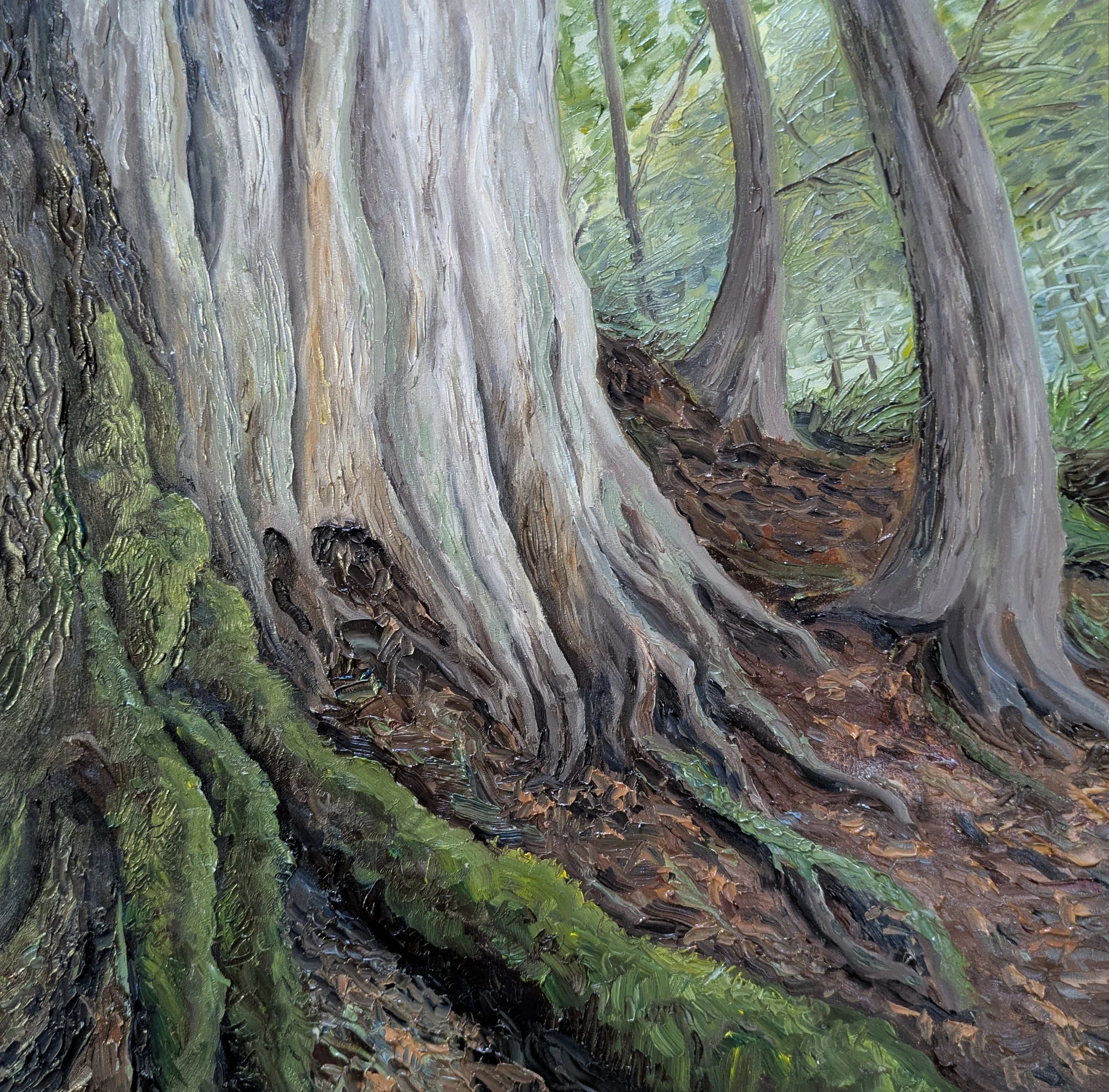
Lea lives in awe of the power of the forest and endeavors to capture the magic of the trees in her work. The focus is the seen and unseen connections and community that the trees have with each other and with us, if we listen and look. Lea hopes to do justice to these giants of nature and to bring that sense of awe to others, and to highlight the important role forests have to sustain life on earth.
Lea’s work is intended to support conservation and sustainable forestry. Organizations that Lea supports include:
The David Suzuki Foundation
Sierra Club
Stand Earth
Boundary Forest and the New Forestry Act
Endangered Ecosystems Alliance
Nature Conservancy Canada
Dogwood BC
Artists for Conservation
Background
Lea’s mother was an artist and immersed her in the art world, both in exposure to museums, galleries and art fairs and in working with different media, styles, subject matter and creative projects. Lea always felt most herself when creating. At the same time, growing up in a forest in Ontario, and visits to family in British Columbia exposed her to the fantastical world of the trees and a strong connection to the natural world.
Career focus was a more practical divergence into architecture, and after obtaining a degree in Architecture from the University of Waterloo, Lea has worked as a self employed architect for many years. While architecture has been the focus for earning and raising a family, art was always part of Lea’s life and informed her architectural career as well.
More recently Lea has spent much time in BC caring for an ailing father through a horrific diagnosis of Alzheimer’s disease. This difficult journey has been lightened by immersion in the BC forests and discovering Forest Bathing. The inspiration for painting the trees was born from this need to heal, and a sense of thanks for all the trees have given her.
Now splitting time between BC and Ontario lea has spent more time and energy learning about forest ecology and the history of forestry in Canada and the world. Concern for the forestry practices and culture of resource extraction has grown over the years, as building and architecture has increasingly seen wood and mass timber construction as being a key to sustainable building - only true if the forestry practices are sustainable.
Lea’s inspiration for painting the trees has been fueled by a desire to communicate passion for the forest and connect others on a personal level to the trees, and to raise awareness of how important they are to humanity and the health of our planet.
About the trees…
Why Mycorrhizal Magic? It is the unseen network that bonds trees of the same and even different species and allows them to share resources, information and more. The mother trees literally raise their offspring and support their neigbours, and the forest gives back. We are not excluded from this exchange!
There is so much to learn - I’m on a journey that started from what the trees themselves were teaching me - but for more in-depth information let’s leave it to the experts.
Some facinating reading comes from Diana Beresford-Kroeger, an Irish born and educated scientist, botanist, medical biochemist who forged her own path to be free to study the trees on her own farm near Ottawa. To Speak For The Trees and Our Green Heart are just 2 of her books. https://www.dianaberesford-kroeger.com/about-diana
Groundbreaking work by UBC professor of forest ecology, Suzanne Simard exposes the mycorrihzal communities in forests and what makes a forest sustainable in Finding the Mother Tree. Her new book When the Forest Breathes on forest renewal and resilience will likely prove to be essential to our governments’ approach to forestry going forward. https://suzannesimard.com/
A beautiful novel from Richard Powers, Overstorey speaks of the power of the trees to change lives and find our deep connections to the natural world.
The Golden Spruce by John Vaillant tells the story of logging in British Columbia and one mans’ attempt to alert the world of the tragedies, by unfortunately destroying a rare, sacred giant on Haida Gwaii.
To understand the science of Forest Bathing, the healing power of trees and how they communicate with us and each other see this fascinating video Why You Should TOUCH a Tree Every Day — The Science Nobody Talks About by Richard Feynman. https://www.youtube.com/watch?v=gyOTlBlFEuo
Ross Reid’s ‘Nerdy About Nature’ podcasts include interviews with experts and conservationalists like Barry Gates of Wildwood, describing his work on Ecoforestry. https://www.youtube.com/watch?v=dxdybLcdSAE&t=163s